Preview
A small useful taste
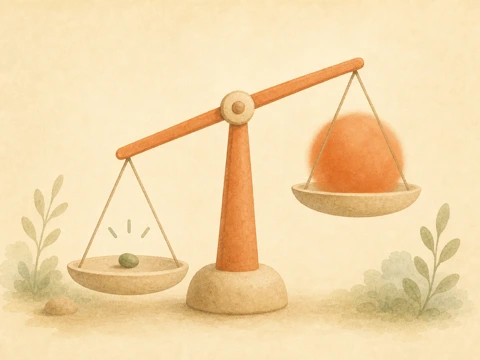
Your intuition is built to notice the vivid test result, headline, or story in front of you right now. It is much worse at holding onto the base rate: how common the event actually was before this new piece of evidence arrived. A medical test that is 99% accurate sounds almost certain, until you factor in that the condition it is testing for only affects one in ten thousand people, at which point most positive results turn out to be false alarms, not because the test is bad but because the disease was rare to begin with. That quiet starting number, the base rate, can flip the whole answer even though it never shows up in the headline. The habit worth building is pausing before reacting to any dramatic statistic and asking one question first: how common was this before the new evidence showed up?
Try this now
Say the idea back in one sentence. If you cannot explain it yet, open the full Nuglet and take the guided step.
Discovery links
Where this Nuglet gets its weight
Backed by sources, not shaped by feeds.
This Nuglet distills ideas from trusted source types, then turns them into one short lesson you can actually use.
Behavioral science
How attention, memory, and judgment shape everyday choices.
Decision research
What helps people compare options, notice tradeoffs, and avoid weak evidence.
Expert explainers
Clear framing from people who spend time with the problem.
What you will understand
One idea, ready to use
The point
You can pause before reacting to a statistic and ask for the base rate first.
The pace
A 5-minute Nuglet that stays focused on one useful takeaway.
The next step
Start the real Nuglet for practice, progress, and a path to what to learn next.
Nuglet next step
Start this Nuglet
Start the full Nuglet to practice the idea, mark it complete, and keep your next lesson moving.
Related Nuglets
Keep the thread going
Short next lessons that stay connected to this idea.
Success story bias
The winner tells you exactly how she did it. The people who tried the same thing and failed are not onstage.

Confidence is not accuracy
Someone answers without hesitating, and the room moves on. Nobody has checked whether they are right.
And then what?
The first result looks good. The problem appears after you ask what happens next.